
Best Mood Tracking App: Six Questions That Decide It for You
A method for choosing a mood tracker instead of a ranked list. Six questions, starting with where your journal is actually stored, plus a ten minute test you can run on any app.
A calm, privacy-focused blog about gentle mood tracking, emotional self-reflection, and local-first journaling with Mood Check-In.

A fair look at the quantified self: what self tracking genuinely gives you, what it quietly costs, and how to run a small bounded question instead of keeping a permanent dashboard.
Read article →
A method for choosing a mood tracker instead of a ranked list. Six questions, starting with where your journal is actually stored, plus a ten minute test you can run on any app.

A person shaped guide to notification fatigue: what it feels like, why almost every guide is written for IT teams, and a one week audit you can finish.

A calm guide to becoming more self aware without spiralling: what it actually means, why more thinking backfires, and a twenty minute monthly look back.

A criteria first guide to choosing a journaling app: where entries live, whether an account is required, whether you can export your writing, and what happens if the company stops.

A plain guide to affect labeling: what the research actually found, how naming a feeling differs from reappraisal, when it can make a feeling louder, and a small four step practice.

Morning pages described accurately, then scaled down. A five rung ladder from three longhand pages to one line, honest reasons the classic version stalls, and a two week starting plan.

A beginner's guide to starting a journal without willpower: the smallest entry that still counts, a format table built around where each option stalls, a two week plan, the six reasons beginners stop, and how to start again after a gap.
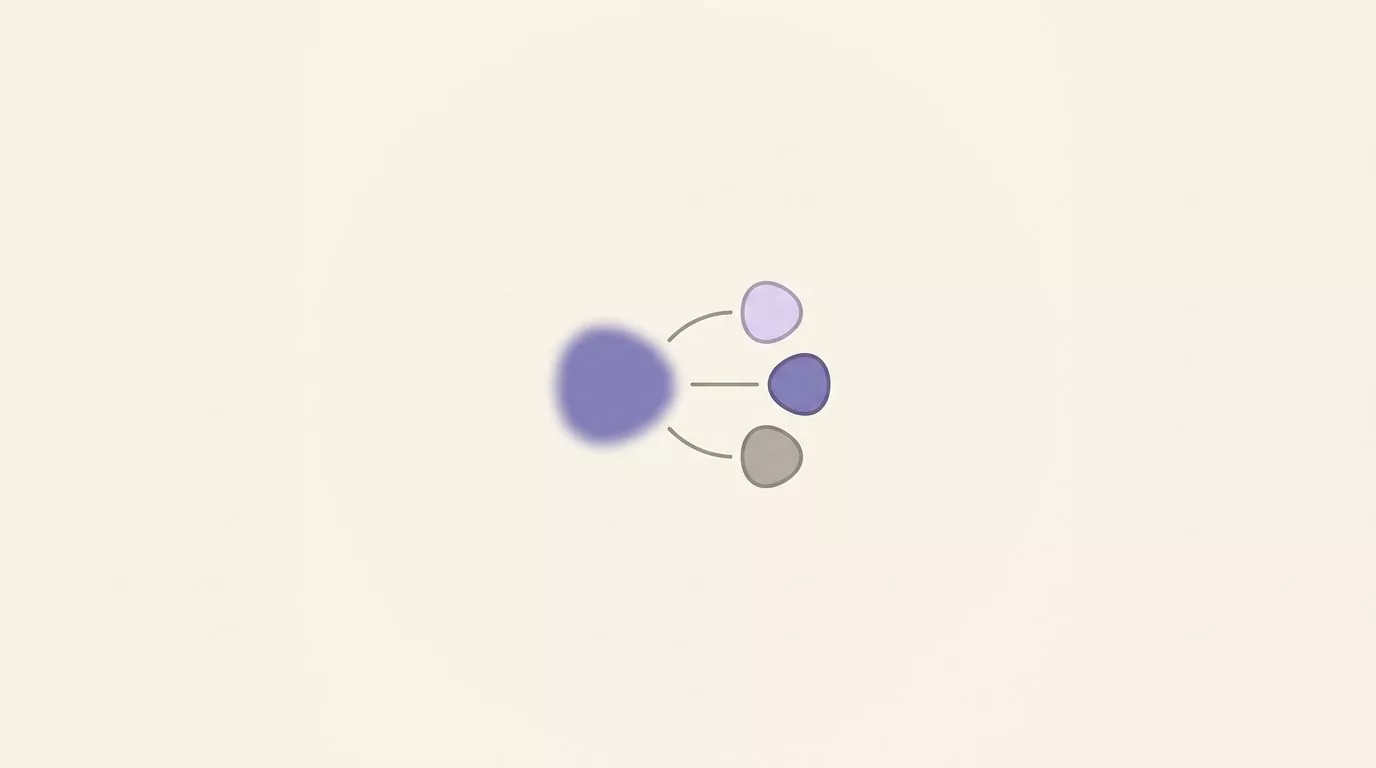
A plain language guide to emotional granularity: what it means, where the idea came from, how researchers actually measure it, and gentle ways to practise noticing more precisely.

Fifty five daily journal prompts sorted by how much time and energy you have left today, with six moment specific sets, three worked example entries and a seven day rotation.

Thirteen families of feeling words, each word with a short plain meaning, plus intensity ladders, the pairs people confuse, and a simple way to find the word that fits.

How reading your entries back, not only writing them, is where self awareness shows up. Four patterns to look for, and a twenty minute monthly review.